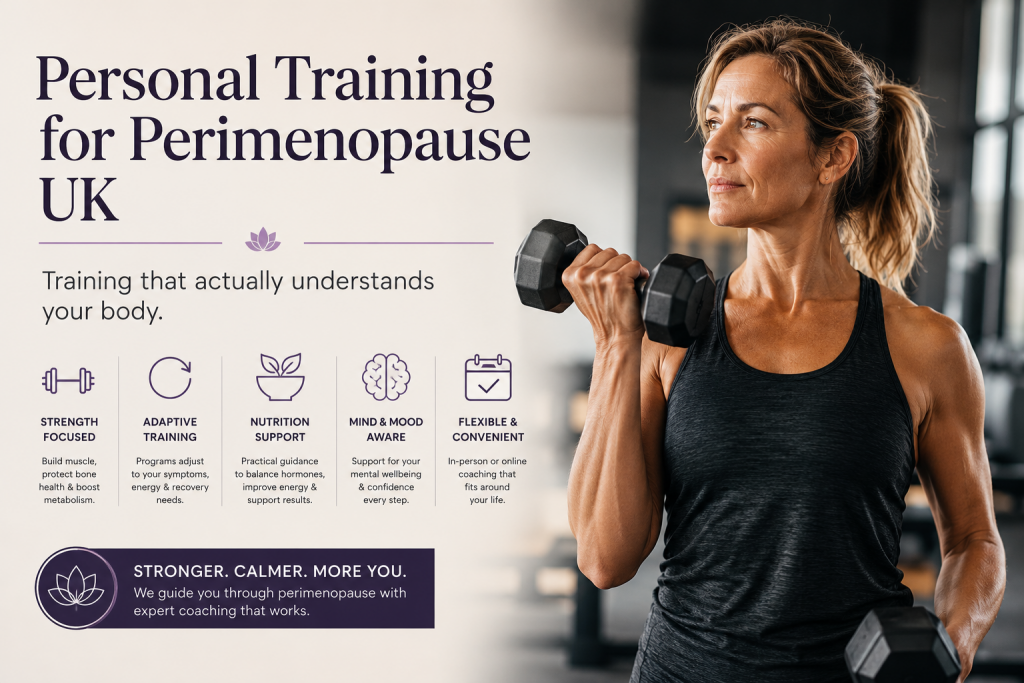
Somewhere in your late 30s or 40s, you may have noticed your body stopped responding the way it used to. The workouts that once delivered results now feel harder for less payoff. Energy is inconsistent. Sleep is unpredictable. And no matter how “on track” you feel with training, something still feels off. If this sounds familiar, you’re likely in perimenopause, and searching for a personal trainer for perimenopause in the UK is one of the smartest steps you can take right now, before symptoms become harder to manage.
This guide breaks down exactly why perimenopause requires a different training approach, what a specialised trainer actually does differently, and how to know if this kind of support is right for you.
Why Perimenopause Changes Everything About How You Should Train
Perimenopause is the transitional phase leading up to menopause, often starting in your late 30s to mid-40s and lasting anywhere from a few years to over a decade. Unlike the steady hormonal decline of menopause itself, perimenopause involves unpredictable fluctuations in oestrogen and progesterone, rising and falling erratically rather than gradually.
This unpredictability is exactly why generic training programs, especially ones designed for younger women or general fitness goals, often stop working during this stage. A personal trainer for perimenopause understands that your body isn’t responding to the same rules it used to, and adjusts your training accordingly.
Common Signs You Might Benefit From Specialised Perimenopause Training
- Workouts that used to work no longer produce the same results
- Increased fatigue, even with consistent training and rest
- Unexplained weight gain, particularly around the midsection
- Loss of strength or muscle tone despite continued training
- Increased soreness or slower recovery between sessions
- Mood swings or anxiety affecting motivation and consistency
- Disrupted sleep is impacting training performance and recovery
If several of these sound familiar, it’s a strong sign that your training approach needs to evolve alongside your changing hormones, which is precisely where specialised coaching becomes valuable.
What Makes Perimenopause-Specific Personal Training Different
1. Training That Adapts to Symptom Fluctuation
Because perimenopause symptoms vary week to week, a specialised trainer builds flexibility into your program, adjusting intensity, volume, and recovery based on how you’re feeling, rather than forcing a rigid plan that ignores your current state.
2. A Strong Focus on Strength Training
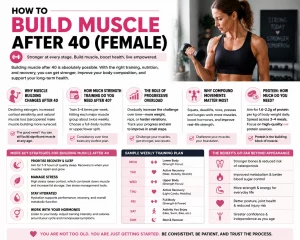
As oestrogen fluctuates during perimenopause, muscle mass and bone density naturally begin to decline more rapidly. Progressive strength training directly counters this, making it a central priority, not an optional add-on, within your program.
3. Recovery-Conscious Programming
Overtraining can worsen perimenopause symptoms by increasing cortisol and disrupting an already sensitive hormonal system. A knowledgeable trainer balances training intensity with adequate recovery, rather than assuming “more is always better.”
4. Nutrition Guidance That Complements Training
Since insulin sensitivity and protein needs shift during perimenopause, training results are significantly impacted by nutrition. A specialised trainer typically incorporates practical nutrition guidance alongside your program, rather than treating training and diet as separate, unrelated concerns.
5. Genuine Understanding of the Emotional Side
Perimenopause can affect confidence, motivation, and mental health, not just physical performance. A good trainer acknowledges this and adjusts communication and support accordingly, rather than focusing purely on physical output.
Why Strength Training Should Be Central to Your Perimenopause Program
Many women are advised to focus primarily on cardio during this life stage, but this often works against them. Strength training is one of the most protective, effective tools available during perimenopause because it:
- Preserves and builds lean muscle mass, which naturally declines faster during this stage
- Supports bone density before post-menopausal bone loss accelerates further
- Improves insulin sensitivity, helping manage weight and energy more effectively
- Supports mood and reduces anxiety through consistent, structured physical activity
- Builds physical confidence during a stage of life that can otherwise feel unpredictable
If you want a deeper breakdown of exactly how to structure effective strength training during this life stage, our detailed guide on strength training for women over 40 in the UK covers practical programming principles that apply directly to perimenopause as well.
How Nutrition Supports Perimenopause Training Results
Training alone isn’t enough; nutrition plays a critical supporting role during perimenopause:
- Prioritise protein at each meal to support muscle repair, satiety, and recovery
- Balance blood sugar by pairing carbohydrates with protein and fibre, reducing energy crashes
- Avoid restrictive dieting, which can add further hormonal stress to an already fluctuating system
- Stay consistently hydrated, supporting energy, recovery, and overall training performance
For practical strategies on managing hunger, cravings, and snacking during this stage, our guide on smart snacking and hunger awareness during menopause offers actionable tips that apply throughout perimenopause, too.
In-Person vs Online Personal Training for Perimenopause in the UK
Both approaches can be highly effective, depending on your circumstances:
In-person personal training offers hands-on form correction, fixed accountability, and face-to-face support, ideal if you prefer structured, scheduled sessions.
Online personal training offers complete flexibility, access to specialised trainers regardless of your specific location in the UK, and the ability to train around unpredictable schedules or symptoms. If flexibility matters most to you, our guide on online menopause fitness coaching in the UK explains exactly how this format works and who it suits best.
How to Choose the Right Personal Trainer for Perimenopause
When evaluating trainers, look for:
- Specific perimenopause or menopause training experience, not just general personal training qualifications
- A strength-training focus, rather than purely cardio-based programming
- Nutrition guidance is included, since diet significantly impacts symptom management
- Flexible, adaptive programming that adjusts to how you’re feeling week to week
- Genuine communication and understanding of the emotional side of this transition
- Real client testimonials from women navigating similar symptoms and goals
Taking time to find the right fit significantly improves both your results and how supported you feel throughout the process.
What Results Can You Realistically Expect?
With consistent, well-structured training and nutrition support, many women notice:
- Within 2–3 weeks: improved energy and a stronger sense of routine
- Within 4–6 weeks: visible strength gains and improved training confidence
- Within 8–12 weeks: noticeable improvements in body composition, sleep quality, and mood stability
- Long-term: better bone health, muscle preservation, and resilience through menopause and beyond
Consistency with an adaptive, personalised plan remains the most reliable driver of long-term success, far more than intensity or short-term extreme approaches.
Frequently Asked Questions
How is training for perimenopause different from regular personal training?
A perimenopause-specialised trainer adjusts training intensity, recovery, and nutrition guidance based on hormonal fluctuations, rather than applying a generic program that doesn’t account for these changes.
Is strength training safe during perimenopause?
Yes. Strength training is not only safe but highly beneficial during perimenopause, helping preserve muscle mass and bone density while supporting mood and metabolic health.
Can a personal trainer help if I’m not sure whether I’m in perimenopause?
Yes. A knowledgeable trainer can help you understand your symptoms in the context of training and recovery, though discussing symptoms with a healthcare provider is also recommended for a fuller picture.
Is online personal training as effective as in-person for perimenopause support?
Yes, when programmed well. Online training offers the same level of personalisation and accountability as in-person sessions, with added flexibility for unpredictable schedules or symptoms.
How often should I train during perimenopause?
Most women benefit from strength training 2–4 times per week, with programming that adapts to energy levels and recovery needs as symptoms fluctuate.
Train With Someone Who Understands What’s Actually Happening
Perimenopause doesn’t mean giving up on your fitness goals; it means training smarter, with a program that adapts to your changing body rather than ignoring it. A personal trainer for perimenopause in the UK gives you the expertise, flexibility, and support to keep making progress through this transition.
At Strong is Sexy, we specialise in helping women across the UK navigate perimenopause through personalised strength training, nutrition guidance, and ongoing, adaptable coaching.
Ready to get started? Book your free consultation and let’s build a plan that works with your body, not against it.