
Perimenopause brings hormonal shifts that can affect energy, metabolism, sleep, and mood. The right fitness for women in perimenopause can ease these symptoms, protect long-term health, and help you feel like yourself again. This guide breaks down exactly what to do, how often, and why it works.
Whether you’re just starting to notice changes or you’re deep into the transition, an intentional workout routine is one of the most powerful tools you have.
What Is Perimenopause and Why Does Fitness Matter?
Perimenopause is the transitional phase before menopause, usually starting in your late 30s to mid-40s. During this time, estrogen and progesterone levels fluctuate unpredictably, which can lead to:
- Weight gain, especially around the midsection
- Muscle loss and reduced bone density
- Sleep disturbances and fatigue
- Mood swings and anxiety
- Hot flashes and night sweats
Fitness for women in perimenopause isn’t just about weight management. It directly supports hormone balance, bone strength, cardiovascular health, and mental wellbeing during this transition.
The Best Types of Exercise for Perimenopause
1. Strength Training
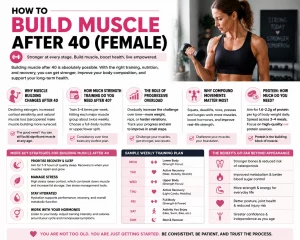
Declining estrogen accelerates muscle and bone loss, making strength training essential rather than optional. Aim for 2–3 sessions per week targeting all major muscle groups. For a deeper breakdown, check out this guide on strength training for women over 40.
- Focus on compound movements: squats, deadlifts, rows, presses
- Progressive overload helps preserve lean muscle mass
- Stronger muscles support joints and reduce injury risk
2. Cardiovascular Exercise
Moderate cardio supports heart health, which becomes more important as estrogen’s protective effects decline.
- 150 minutes of moderate cardio per week (brisk walking, cycling, swimming)
- Add 1–2 short high-intensity interval training (HIIT) sessions if your body tolerates it
- Avoid excessive high-intensity work, which can spike cortisol and worsen fatigue
3. Mobility and Flexibility Work
Joint stiffness is common during perimenopause. Yoga, Pilates, and dedicated stretching sessions improve range of motion and reduce tension.
- 2 sessions per week of yoga or mobility flow
- Helps regulate the nervous system and improve sleep quality
4. Low-Impact Recovery Movement
Rest days matter as much as training days. Walking, gentle swimming, or restorative yoga support recovery without added hormonal stress.
Sample Weekly Fitness Plan for Perimenopause
| Day | Focus |
| Monday | Strength training (full body) |
| Tuesday | Brisk walk or light cardio |
| Wednesday | Yoga or mobility work |
| Thursday | Strength training (full body) |
| Friday | HIIT (optional, 20 minutes) |
| Saturday | Active recovery (walk, stretch) |
| Sunday | Rest |
Why Strength Training Is Non-Negotiable in Perimenopause
Muscle mass naturally declines with age, but the hormonal changes of perimenopause speed this up. Less muscle means a slower metabolism, weaker bones, and higher injury risk.
Strength training two to three times a week helps:
- Preserve and build lean muscle
- Support bone density and reduce osteoporosis risk
- Improve insulin sensitivity and blood sugar control
- Boost resting metabolic rate
Nutrition Tips to Support Your Fitness Routine
Exercise works best paired with supportive nutrition. During perimenopause, prioritize:
- Protein: aim for 25–30g per meal to support muscle repair
- Calcium and vitamin D: for bone health
- Fiber-rich carbs: to stabilize blood sugar and support gut health
- Hydration: hormonal shifts can affect fluid balance
If you’re always on the move, these eating on the go protein tips can help you hit your protein targets without extra planning.
Managing Symptoms Through Movement
Regular exercise can directly ease some of the most disruptive perimenopause symptoms:
- Hot flashes: Moderate, regular exercise (not overtraining) can reduce frequency
- Sleep issues: Strength training and daytime movement improve sleep quality
- Mood swings: Exercise boosts endorphins and reduces cortisol
- Brain fog: Physical activity increases blood flow and supports cognitive function
Common Mistakes to Avoid
- Overtraining – Excessive high-intensity workouts can raise cortisol and worsen fatigue.
- Skipping strength work – Cardio alone won’t protect muscle and bone mass.
- Ignoring recovery – Sleep and rest days are part of the training plan, not optional extras.
- Extreme calorie restriction – This can worsen muscle loss and hormonal imbalance.
Frequently Asked Questions
Is it safe to start strength training during perimenopause?
Yes. Strength training is one of the safest and most beneficial forms of exercise during this stage, as long as you start at an appropriate level and progress gradually.
How often should I exercise during perimenopause?
A balanced approach includes 2–3 strength sessions, 2–3 cardio sessions, and 1–2 mobility sessions per week, with adequate rest.
Can exercise help with perimenopause weight gain?
Yes. Combining strength training with moderate cardio and balanced nutrition helps offset the metabolic slowdown associated with hormonal changes.
What exercises should I avoid during perimenopause?
Avoid excessive high-intensity training without recovery, as it can elevate cortisol and worsen symptoms like fatigue and sleep disruption.
Final Thoughts
Fitness for women in perimenopause isn’t about pushing harder; it’s about training smarter. A balanced mix of strength training, moderate cardio, mobility work, and recovery gives your body what it needs to navigate this transition with strength and confidence.
Start where you are, stay consistent, and adjust as your body changes. The goal isn’t perfection; it’s sustainable, long-term health.