If you’ve noticed your hunger feels different lately sudden cravings, snack attacks that hit out of nowhere, or a gnawing feeling that food doesn’t seem to satisfy you’re not imagining it. Smart snacking during menopause isn’t just about willpower. It’s about understanding what’s happening inside your body and working with it, not against it.
For many women over 40, menopause brings a confusing shift in appetite. One week you barely think about food, the next you’re raiding the cupboard at 9pm. This guide breaks down why that happens and gives you practical, sustainable snacking strategies that actually work with your changing hormones.
Why Hunger Changes During Menopause
Menopause isn’t just about hot flushes and mood swings it fundamentally changes how your body regulates hunger and fullness.
As oestrogen levels decline, so does its influence on leptin (the hormone that tells your brain “I’m full”) and ghrelin (the hormone that says “feed me”). The result? Many women experience:
- Increased cravings, especially for sugary or refined carbohydrate foods
- Hunger that feels more intense or urgent than before
- Slower recognition of fullness cues
- Blood sugar swings that trigger sudden energy crashes and snack urges
On top of the hormonal shift, poor sleep (common during perimenopause and menopause) further disrupts ghrelin and leptin balance, making cravings even harder to manage. This is why smart snacking during menopause requires a slightly different approach than the snacking habits that worked for you in your 20s or 30s.
The Problem With “Just Eat Less” Advice
A lot of generic diet advice tells women to simply cut back or ignore hunger signals. During menopause, this approach often backfires. Restriction can intensify cravings, disrupt blood sugar further, and lead to the exact cycle of hunger-then-overeating that so many women over 40 describe feeling stuck in.
Instead of fighting hunger, the goal is hunger awareness learning to recognise genuine physical hunger versus emotional or habitual snacking, and choosing snacks that actually support your hormones rather than spike and crash your blood sugar.
What Is Hunger Awareness?
Hunger awareness is the practice of pausing before you eat to ask a few simple questions:
- Am I physically hungry, or is this boredom, stress, or habit?
- When did I last eat, and was it balanced (protein + fibre + fat)?
- How would I rate my hunger from 1–10 right now?
- What am I actually craving and what might my body really need?
This isn’t about judging yourself for wanting a snack. It’s about building a pause between the urge and the action, so you can respond intentionally rather than automatically reaching for whatever’s closest.
Smart Snacking Strategies for Women Over 40
1. Prioritise Protein First
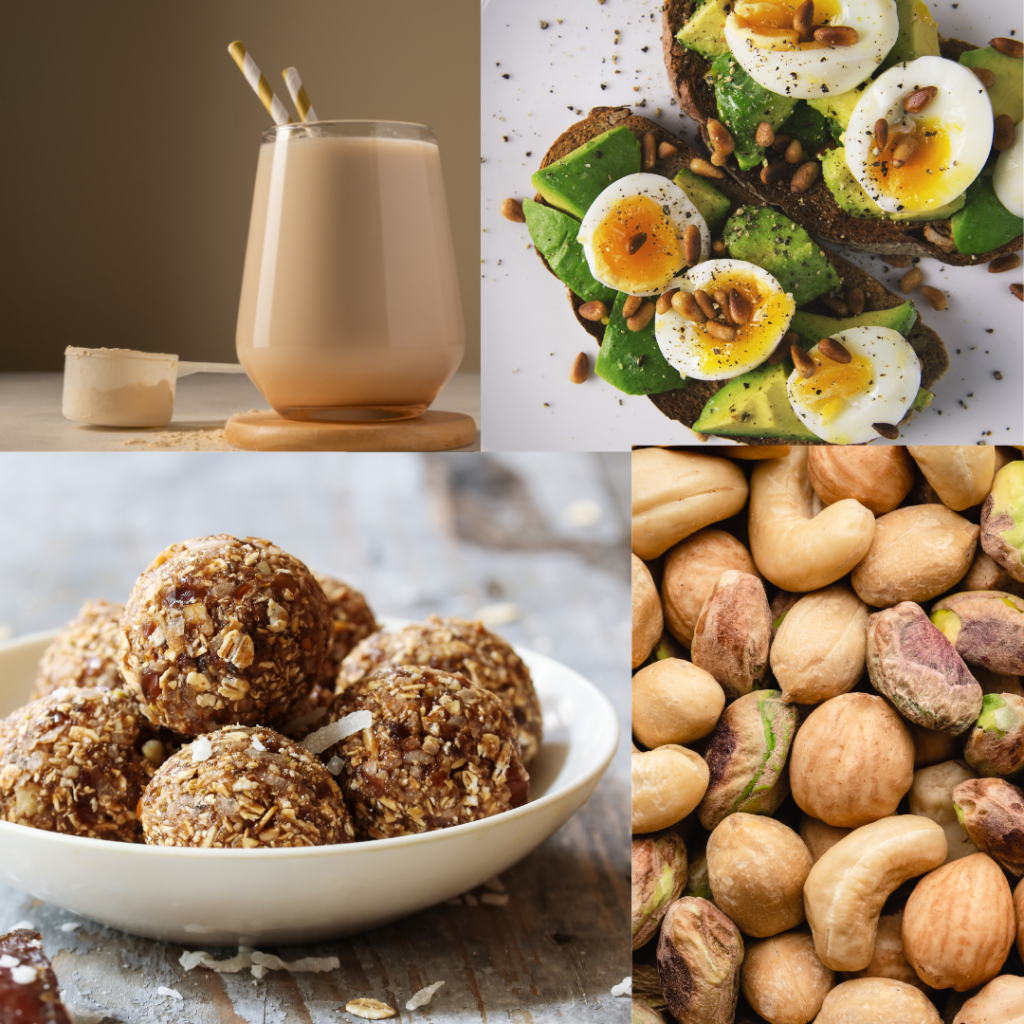
Protein is one of the most effective tools for managing menopause-related hunger. It slows digestion, stabilises blood sugar, and increases satiety far more than carbohydrate-only snacks. Aim for at least 15–20g of protein in your snacks whenever possible.
Smart snack ideas with protein:
- Greek yoghurt with berries and a sprinkle of nuts
- Two boiled eggs with a small handful of cherry tomatoes
- Cottage cheese with cucumber slices
- A protein shake with a banana
- Hummus with carrot and celery sticks
2. Pair Carbs With Fibre and Fat
Refined carbs alone (crisps, biscuits, white bread) cause rapid blood sugar spikes followed by crashes — which often trigger the next craving within an hour. Pairing carbohydrates with fibre and healthy fat slows this response.
Example pairings:
- Apple slices with almond butter
- Oatcakes with avocado
- Wholegrain crackers with cheese
3. Don’t Skip Meals to “Save” Calories for Snacks
Skipping meals often backfires during menopause because it amplifies ghrelin spikes later in the day, leading to more intense cravings and larger, less controlled snacking sessions. Regular, balanced meals actually make snacking easier to manage, not harder.
4. Keep Emotional Eating Triggers in Mind
Stress, poor sleep, and hormonal fluctuations during menopause can all increase emotional eating. This isn’t a personal failing – it’s biology. Recognising your personal triggers (a stressful meeting, a bad night’s sleep, boredom in the evening) helps you plan ahead rather than being caught off guard.
Try keeping a simple snack journal for a week – not to restrict yourself, but to notice patterns. You might find certain times of day or situations consistently trigger cravings, which makes them much easier to plan around.
5. Stay Hydrated
Thirst is frequently mistaken for hunger, and menopause-related changes can affect thirst signals too. Before reaching for a snack, try a glass of water first and wait 10–15 minutes to see if the hunger persists.
6. Plan Ahead With Ready-to-Go Options
Cravings often win when convenience wins. If the only “easy” option in your kitchen is biscuits or crisps, that’s what you’ll reach for when hunger hits hard. Prepping a few grab-and-go options in advance makes the smart choice the easy choice.
Prep-ahead ideas:
- Portioned nuts and seeds in small containers
- Boiled eggs prepped for the week
- Pre-cut vegetables with a small tub of hummus
- Overnight oats with protein powder
Sample Smart Snacking Schedule
Here’s an example of how hunger-aware, protein-forward snacking might look across a day:
- Mid-morning: Greek yoghurt with berries (if hungry between breakfast and lunch)
- Mid-afternoon: Apple with almond butter, or hummus with veg sticks
- Evening (if needed): A small handful of nuts with a piece of fruit, or cottage cheese with cucumber
Notice this isn’t about eating constantly it’s about having balanced options ready for when genuine hunger shows up, so you’re not left choosing between “starving” and “whatever’s fastest.”
When to Seek Extra Support
If cravings, hunger, or weight changes during menopause feel overwhelming or are significantly affecting your quality of life, it’s worth speaking with a GP or a menopause-informed nutrition or fitness coach. Hormonal changes are real, measurable, and manageable with the right, personalised support you don’t have to figure it out alone.
Final Thoughts
Smart snacking during menopause isn’t about strict rules or cutting out entire food groups. It’s about understanding the hormonal shifts driving your hunger, building genuine hunger awareness, and choosing snacks that keep your blood sugar and energy stable throughout the day.
Small, consistent changes protein-first snacks, staying hydrated, planning ahead, and pausing to check in with real hunger can make a noticeable difference in how in-control you feel around food during this stage of life.
If you’d like personalised support navigating menopause, nutrition, and sustainable habits, reach out to Strong is Sexy to explore how coaching can help you feel strong, energised, and confident over 40.
Learn more & register now: https://bookings.foodzilla.io/lorenza21-1752250756865-wwgt7crj