
Life doesn’t slow down just because you want to prioritise your health. Between commuting, travelling for work, school runs, and packed weekends, finding time to eat well can feel impossible. This is exactly why eating on the go protein strategies matter so much they let you stay full, energised, and consistent with your goals, no matter how chaotic your schedule gets.
Whether you’re stuck at an airport, working through lunch, or living out of a hotel room for a week, this guide gives you practical, no-fuss ways to keep your protein intake on point wherever you are.
Why Protein Matters So Much for Women 35+
Protein isn’t just for bodybuilders and athletes it’s one of the most important nutrients for women in their 30s, 40s, and beyond, especially during perimenopause and menopause. Here’s why:
- Muscle maintenance: Declining oestrogen during perimenopause accelerates muscle loss (a process called sarcopenia). Adequate protein intake helps protect the muscle you have and supports the muscle you’re building through strength training.
- Metabolism support: Protein has a higher thermic effect than carbohydrates or fats, meaning your body burns more energy simply digesting it.
- Satiety and craving control: A protein-rich meal or snack keeps you fuller for longer, which is especially valuable when menopause-related hormone shifts can intensify hunger and cravings.
- Recovery and strength gains: If you’re strength training (and for women over 35, you really should be), protein is essential for muscle repair and progress.
For most active women, aiming for 20–30g of protein per meal, plus protein-forward snacks in between, is a realistic and effective target even on your busiest days.
The Problem With “Eating on the Go” Advice That Doesn’t Work
Most generic nutrition advice assumes you have time to meal prep every Sunday, carry a cooler bag everywhere, and never eat in an airport, restaurant, or hotel. Real life doesn’t work that way. The goal of eating on the go protein planning isn’t perfection it’s having a handful of reliable, repeatable strategies you can lean on regardless of where you are.
The Hand Portion Guide: No Scales Needed
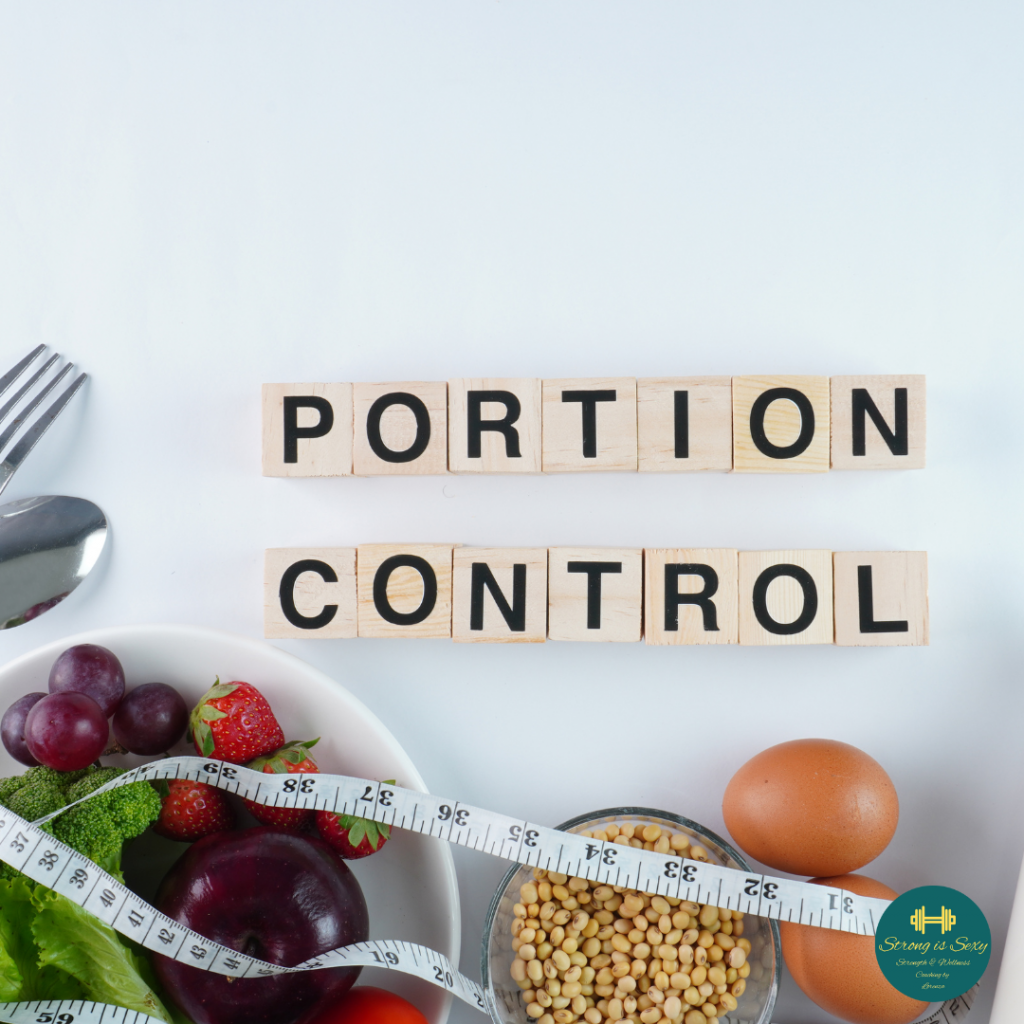
One of the simplest tools for staying on track while travelling or busy is your own hand. No apps, no food scales, no calorie counting required.
- Protein: 1 palm-sized portion
- Carbohydrates: 1 cupped hand
- Vegetables/Salad: 2 fists
- Fats: 1 thumb-sized portion
This method works anywhere airport lounges, restaurants, buffet breakfasts, or a quick service counter between meetings. It removes the guesswork so you can build a balanced plate in seconds, wherever you are.
Travel-Friendly Protein Staples to Keep on Hand
Having a few reliable, portable protein sources ready means you’re never stuck choosing between “nothing good available” and skipping a meal entirely.
Best grab-and-go protein options:
- Protein powder sachets (just add water or milk no fridge needed)
- Beef jerky or biltong
- Tuna or salmon pouches
- Greek yoghurt or Skyr cups
- Protein bars (aim for ~15–20g protein, around 200 kcal)
- Boiled eggs (prepped in advance, they keep for days)
- Edamame snack packs
- Cottage cheese cups
Keeping two or three of these in your bag, car, or desk drawer means a protein-rich option is always within reach even on the most unpredictable days.
Eating Out and On the Road Without Losing Progress
Restaurants and takeaways don’t have to derail your goals. A few simple ordering habits make a big difference:
- Choose grilled or roasted protein first – chicken, fish, steak, tofu, or paneer instead of breaded or fried options.
- Swap the side – ask for potatoes, rice, or a side salad instead of fries where possible.
- Add extra vegetables – most restaurants will happily add a side of veg or salad.
- Request sauces and dressings on the side – this lets you control portion size without sacrificing flavour.
This approach works whether you’re at a motorway service station, a client dinner, or a family restaurant on holiday.
Staying on Track in Hotels and During Busy Travel
Hotel stays and back-to-back travel days are one of the biggest challenges for staying consistent – but a few small habits go a long way:
- Request a mini-fridge when booking or checking in, and stock it with Greek yoghurt, cooked chicken or turkey slices, boiled eggs, fruit, microwave rice pouches, and pre-washed salad.
- At breakfast buffets, load your plate with eggs, yoghurt, and lean meats first, before pastries or cereals -this naturally shifts your plate toward protein and keeps you fuller through the morning.
- Pack a small travel kit with protein powder sachets and bars for early flights, long drives, or delayed meals.
Timing Protein Around Workouts on Busy Days
Even with a packed schedule, timing your protein intake around training can improve results:
- Before training (60–90 minutes prior): a light combination of carbs and protein – for example, a banana with a scoop of whey, or a rice cake with cottage cheese.
- After training (within about an hour): aim for 20–30g of protein paired with carbohydrates – a protein shake with fruit, or grilled chicken with rice, both work well.
If your schedule doesn’t allow a full meal around training, a protein shake or bar is a perfectly effective substitute – consistency matters far more than perfection.
A Sample “Eating on the Go” Day
Here’s what a realistic, protein-focused day might look like when life is busy:
- Breakfast (on the move): Greek yoghurt cup with a handful of berries and a protein sachet stirred in
- Lunch (client meeting/restaurant): Grilled chicken salad, dressing on the side
- Snack (car/desk): Boiled eggs or a protein bar
- Dinner (hotel/home): Salmon or steak with rice and vegetables, using the hand portion guide
This kind of structure doesn’t require perfect planning – just a few reliable go-to choices repeated consistently.
Frequently Asked Questions
How much protein do I need per day if I’m always travelling?
Most active women benefit from roughly 1.6–2.2g of protein per kg of bodyweight daily, spread across 3–4 meals or snacks – achievable even while travelling with the right staples on hand.
What are the best protein snacks that don’t need refrigeration?
Protein powder sachets, jerky or biltong, protein bars, and shelf-stable tuna or salmon pouches are ideal for travel since they require no cooling and are easy to carry.
Can I still hit my protein goals eating out every day?
Yes. Choosing grilled or roasted protein first, swapping sides for vegetables, and requesting sauces on the side makes it realistic to hit your protein targets even with frequent restaurant meals.
Is it okay to rely on protein shakes when I’m too busy to eat a full meal?
Yes a protein shake is a convenient, effective way to hit your protein target when time is limited, and it’s far better than skipping the meal altogether.
Make Protein Your Anchor
Life will always be busy – but if you make protein the anchor of every meal and snack, staying on track becomes far easier, even when you’re travelling or juggling a packed schedule. Use the hand portion guide, keep a few travel-friendly staples ready, and remember: consistency beats perfection every time.
Struggling to balance nutrition, fitness, and a busy life? The Strong is Sexy Menopause Program is designed to help women 35+ feel confident, strong, and back in control – wherever life takes you.
Life doesn’t slow down when you want to prioritise your health and that’s where eating on the go protein strategies make all the difference. Whether you’re commuting, travelling, or running between work and family commitments, focusing on protein helps you stay full, energised, and in control of your progress.
Why Protein is Key for Women 35+
Protein is not just for athletes. For women in their 30s, 40s and beyond especially during perimenopause and menopause it’s essential for:
- Muscle maintenance: Hormonal changes can make it easier to lose lean muscle. Protein protects it.
- Metabolism boost: Protein burns more calories to digest compared to carbs or fats.
- Satiety & cravings: A protein-rich meal keeps you fuller for longer, helping you avoid overeating.
- Recovery & strength: If you train (and you should), protein speeds up recovery and supports progress.
Aim for 20–30 g of protein per meal, and build snacks around protein too.
Book your free consultation here :
https://bookings.foodzilla.io/lorenza21-1752250756865-wwgt7crj
Eating on the Go Protein with the Hand Portion Guide (No Scales Needed)
When you’re busy or travelling, you don’t always have the luxury of measuring food. That’s where your hand becomes the perfect tool:
- Protein: 1 palm = your portion
- Carbohydrates: 1 cupped hand
- Veggies/Salad: 2 fists
- Fats: 1 thumb
This method works everywhere — from airports to restaurants.